

Stay updated with our factory’s latest R&D innovations, manufacturing updates, and maintenance guides.
Apr. 17, 2026
As winter temperatures drop, construction teams often face a common headache: demolition hammers and rotary hammers struggling to start or losing impact force. For a professional rotary hammer manufacturer, understanding these seasonal challenges is key to ensuring project efficiency and tool longevity.
Why Cold Starts are Hard: The "Grease Factor"
The primary reason for start-up issues is the thickening of internal grease. In sub-zero temperatures, standard grease becomes viscous, increasing resistance within the piston and gear housing.
The Solution: As a reliable demolition hammer supplier, we recommend a "warm-up" period. Allow the tool to idle for 2–3 minutes without load before starting heavy-duty breaking. This thins the grease and ensures smooth mechanical movement.
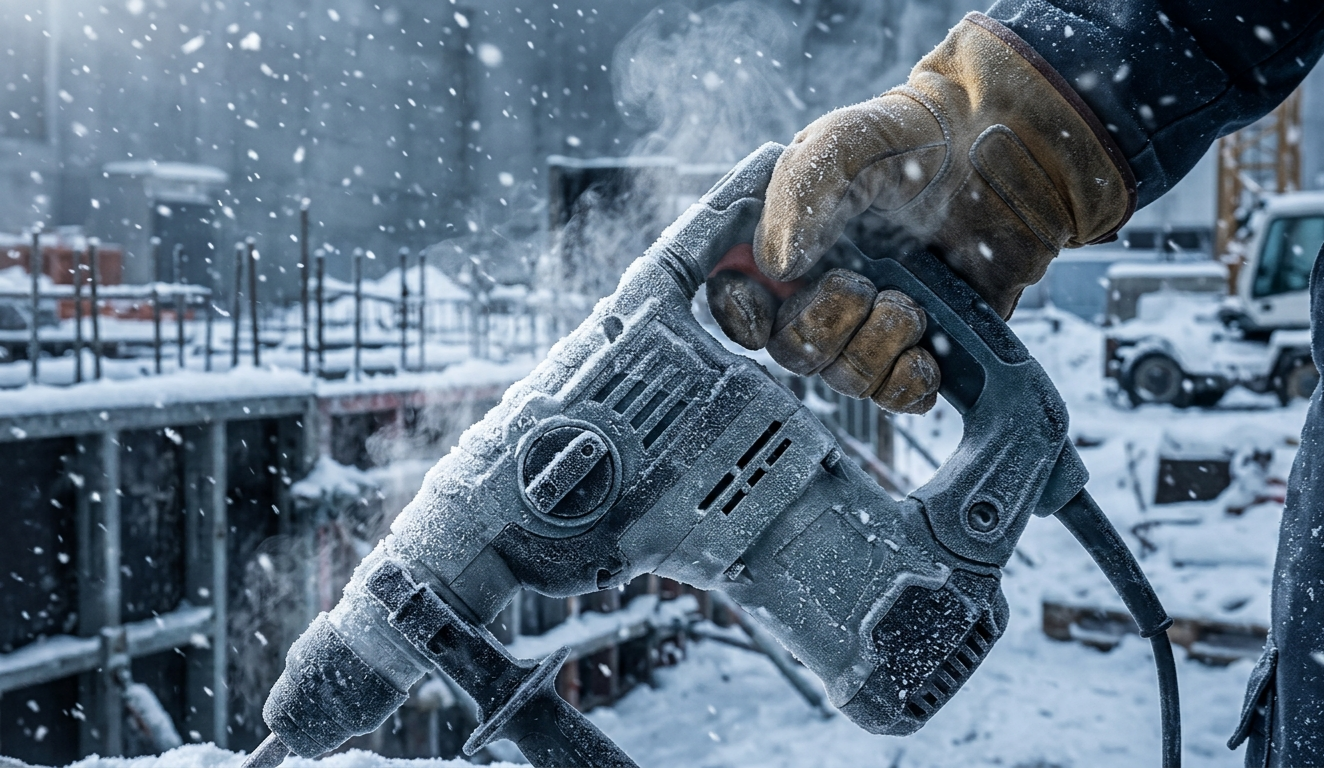
Essential Winter Maintenance Tips
To reduce downtime and repair costs, B2B buyers and fleet managers should follow these preventative measures:
Use Low-Temperature Grease: If your projects are consistently in freezing environments, consult your rotary hammer manufacturer about using specialized low-temperature synthetic grease.
Check the Seals: Cold weather can make rubber O-rings brittle. Inspecting these components prevents oil leaks and maintains optimal impact energy.
Moisture Control: Condensation inside the motor can cause short circuits. Always store tools in a dry, insulated environment after use.
Partnering for All-Season Performance
Understanding winter tool care is essential for any industrial-grade power tool distributor. By partnering with a forward-thinking rotary hammer manufacturer, you gain access to technical support and durable designs that thrive in any climate.
Related News


