

Stay updated with our factory’s latest R&D innovations, manufacturing updates, and maintenance guides.
Sep. 01, 2026
By Betele Power Tools Management Team-Emma
When buying a demolition hammer, most customers see the finished tool: its power, weight, impact rate, and appearance.
But those specifications only show part of the story.
The performance of a professional demolition hammer is also determined by what happens inside the factory before the tool reaches the job site. Component manufacturing, precision machining, assembly, testing, and inspection can all influence durability, stability, and working performance.
Factory Perspective: Quality control does not begin when the finished tool is tested. It starts much earlier—with the materials and components.
A demolition hammer is not a single component. It is a system made up of multiple parts that must work together under high mechanical loads.
Important components include:
A powerful motor alone does not guarantee a powerful demolition hammer. The motor must work effectively with the gearbox and impact mechanism to transfer energy to the working tool.
Factory Insight: When evaluating a power tool manufacturer, don't only ask “What is the rated power?” Also ask: “How are the critical components controlled during production?”
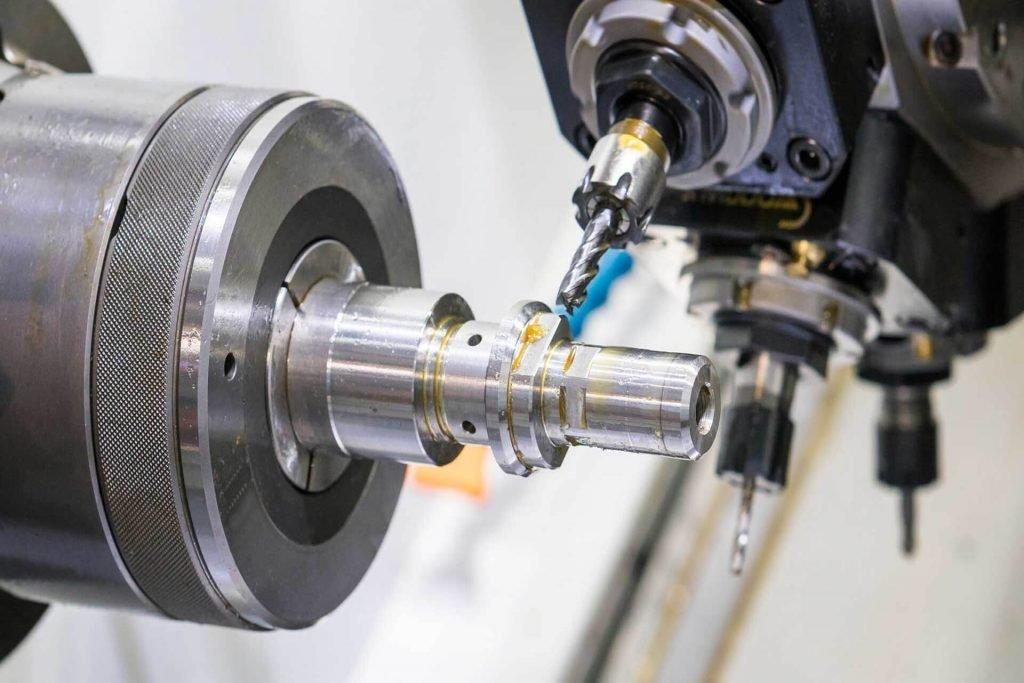
Important metal parts need to be processed according to their required dimensions.
Typical processes include:
For gearbox and impact-system components, dimensional accuracy is particularly important.
Small variations can influence:
A component can look normal externally while still creating problems if critical dimensions are inconsistent.
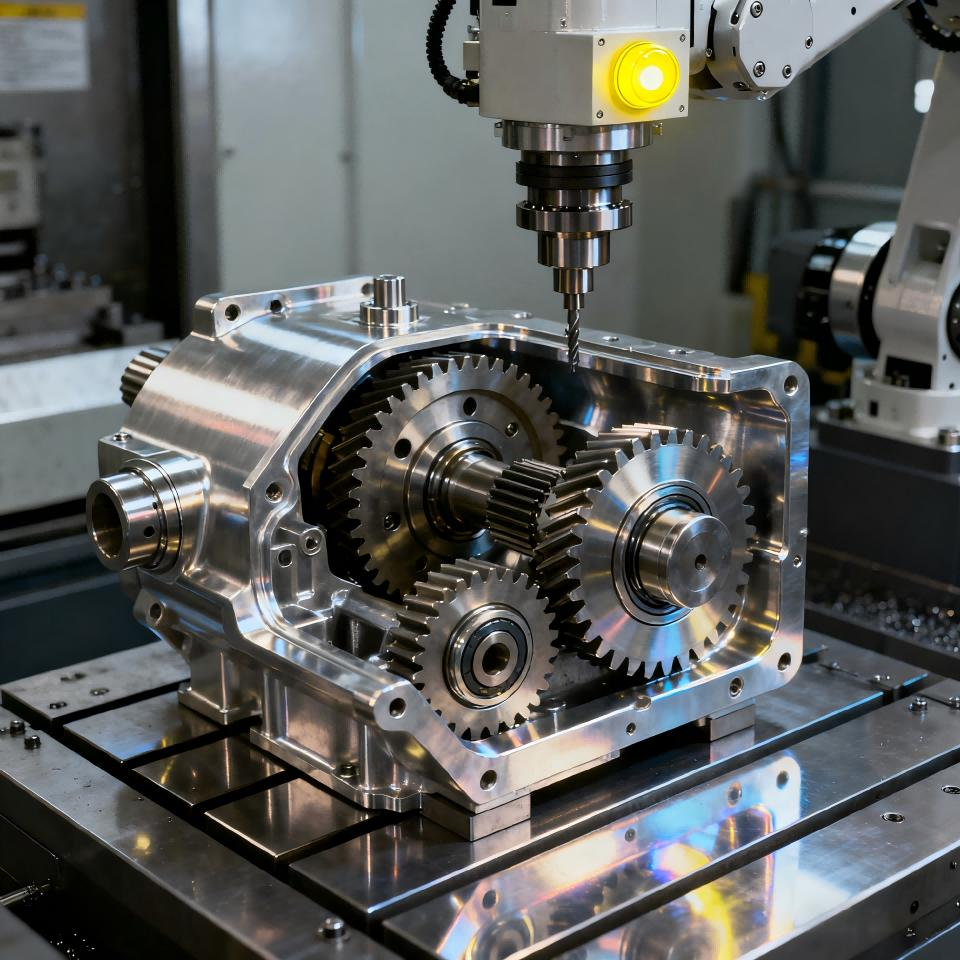
The basic power transmission process can be understood as:
Electrical Power → Motor → Gearbox → Impact Mechanism → Tool Holder → Chisel
Every stage needs to operate correctly.
If the motor produces high output but the mechanical transmission is poorly designed or assembled, part of that potential performance can be lost.
Demolition hammers operate under repeated impact loads, placing considerable demands on internal mechanical components.
The gearbox transfers rotational power, while the impact mechanism converts mechanical movement into repeated impact.
Manufacturing attention may include:
Lubrication and sealing are also important. Poor lubrication can increase friction and heat, while poor sealing can allow lubricant to escape or contaminants to enter the mechanism.
Once individual components are ready, they must be assembled consistently.
Important assembly points can include:
For overseas B2B orders, consistency becomes especially important.
A distributor may order hundreds or thousands of units. The expectation is not simply that the first tool performs well—the production batch needs to perform consistently.
A finished demolition hammer should not leave the production line simply because it turns on.
Depending on the product and quality system, testing may cover:
Some problems only become obvious when the machine is running.
For example, abnormal noise may indicate a mechanical problem, while excessive temperature may suggest an electrical or mechanical efficiency issue.
Final inspection should cover more than appearance.
Depending on the product and applicable requirements:
Export packaging also matters because tools may experience long-distance transportation, repeated handling, and different storage conditions before reaching the customer.
For distributors and importers, choosing a demolition hammer manufacturer is not only about comparing catalog specifications.
Useful questions include:
These questions help buyers look beyond the product catalog and understand the manufacturing system behind the product.
A demolition hammer may look relatively simple from the outside.
Inside, it is the result of many interconnected processes:
Raw Materials → Component Manufacturing → Precision Machining → Motor & Gearbox Assembly → Impact Mechanism → Final Assembly → Testing → Inspection → Packaging
Every stage contributes to the final product.
For buyers evaluating a long-term power tool supplier, the important question is not only “What are the specifications?”
It is also:
“How does the manufacturer control the process behind those specifications?”
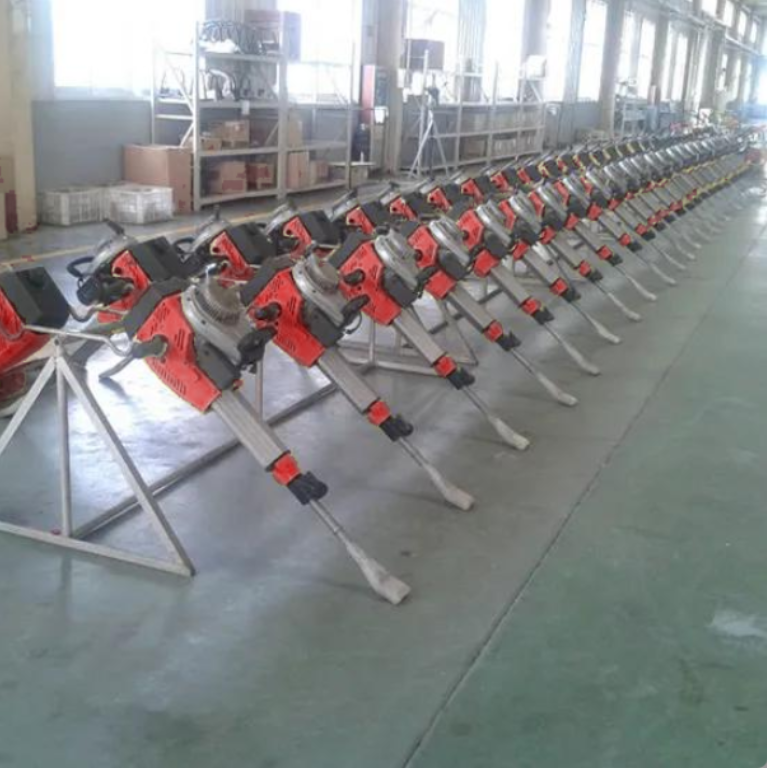
For a professional power tool manufacturer, manufacturing capability is closely connected with product consistency.
At Betele, the manufacturing process covers key stages from component production and precision machining to assembly, testing, inspection, and packaging. The company's integrated manufacturing approach is designed to support professional rotary hammer and demolition hammer applications as well as OEM requirements.
This factory-to-finished-tool perspective allows B2B buyers to evaluate not only the product they receive, but also the manufacturing capability behind it.
The quality of a demolition hammer is not determined by one specification or one final inspection.
It is built through a complete manufacturing process:
Components → Machining → Motor & Gearbox → Impact Mechanism → Assembly → Testing → Inspection → Packaging
For distributors, importers, and private-label brands, understanding this process can provide a more complete way to evaluate a potential supplier.
A professional manufacturer should be able to explain how the tool is made, how critical components are controlled, how finished products are tested, and how batch consistency is maintained.
Related News


