DEMOLITION BREAKER TECH & INDUSTRY TRENDS

Stay updated with our factory’s latest R&D innovations, manufacturing updates, and maintenance guides.

Home - News - How to maintain a demolition hammer

How to maintain a demolition hammer

Apr. 07, 2026

Share

Maintaining a demolition hammer (jack hammer/chipping hammer) is all about managing two things: vibration and dust. Because these tools take a beating, a little preventative care goes a long way.

Here is a concise guide to keeping your tool in top shape:

1. After Every Use: Clean and Inspect

  • Blow it out: Use compressed air or a brush to clear dust from the motor vents. Dust buildup is the #1 killer of motors because it causes overheating.
  • Wipe the shank: Clean the dust off the chisel (bit) before storing it to prevent grit from entering the internal chuck mechanism.
  • Check the cord: Look for nicks or exposed wires. Vibration can fray cables over time.

2.Lubrication(Critical)

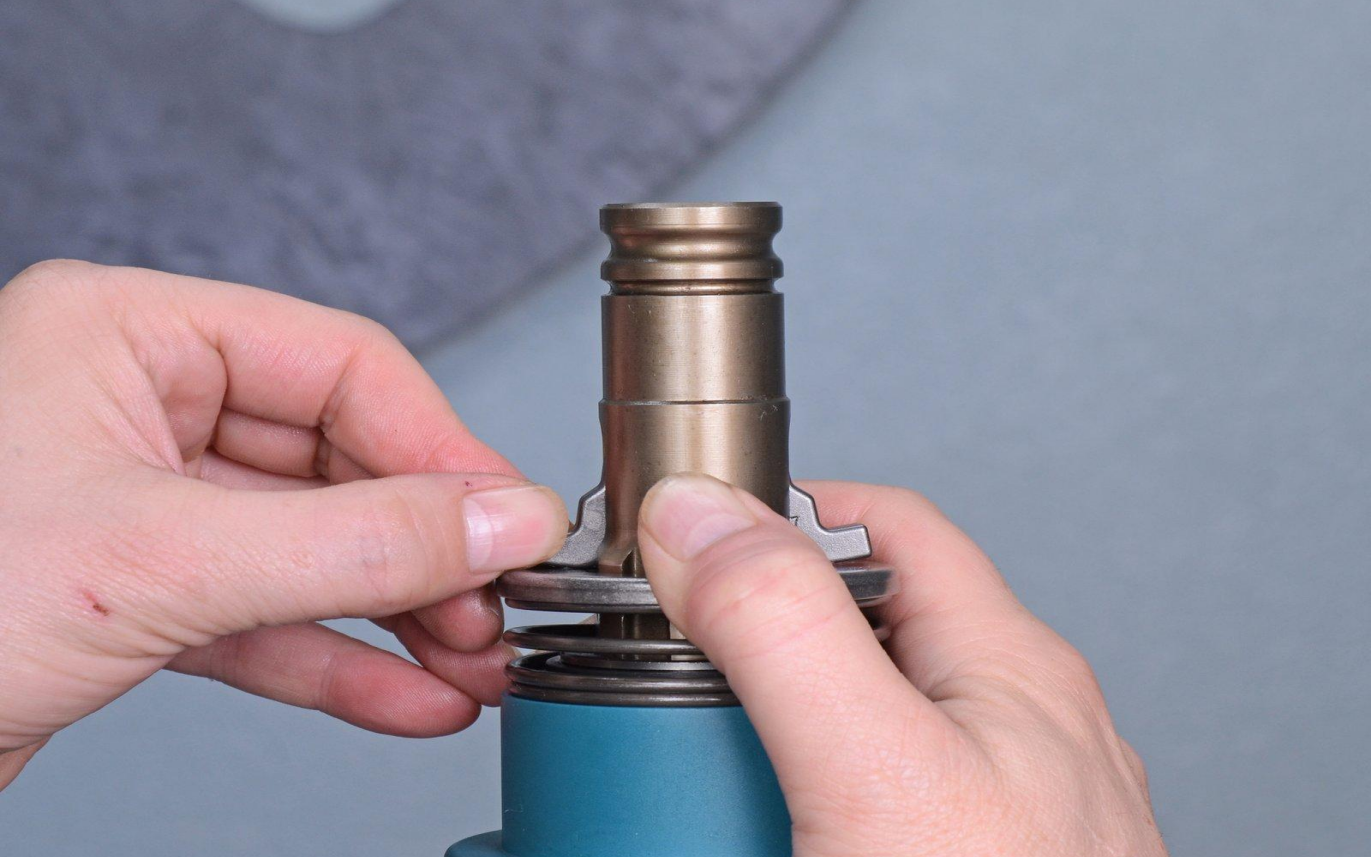
How to maintain a demolition hammer

  • Grease the Bit: Every time you insert a chisel, apply a small amount of high-pressure tool grease to the shank (the part that goes into the machine). This reduces friction and prevents the chuck from seizing.
  • Check Oil Levels: Many large demolition hammers have a small oil window or a reservoir. Check the level daily. If it’s low, use the manufacturer’s recommended oil (usually a specific SAE grade or synthetic tool oil).
  1. Replace Wear Parts

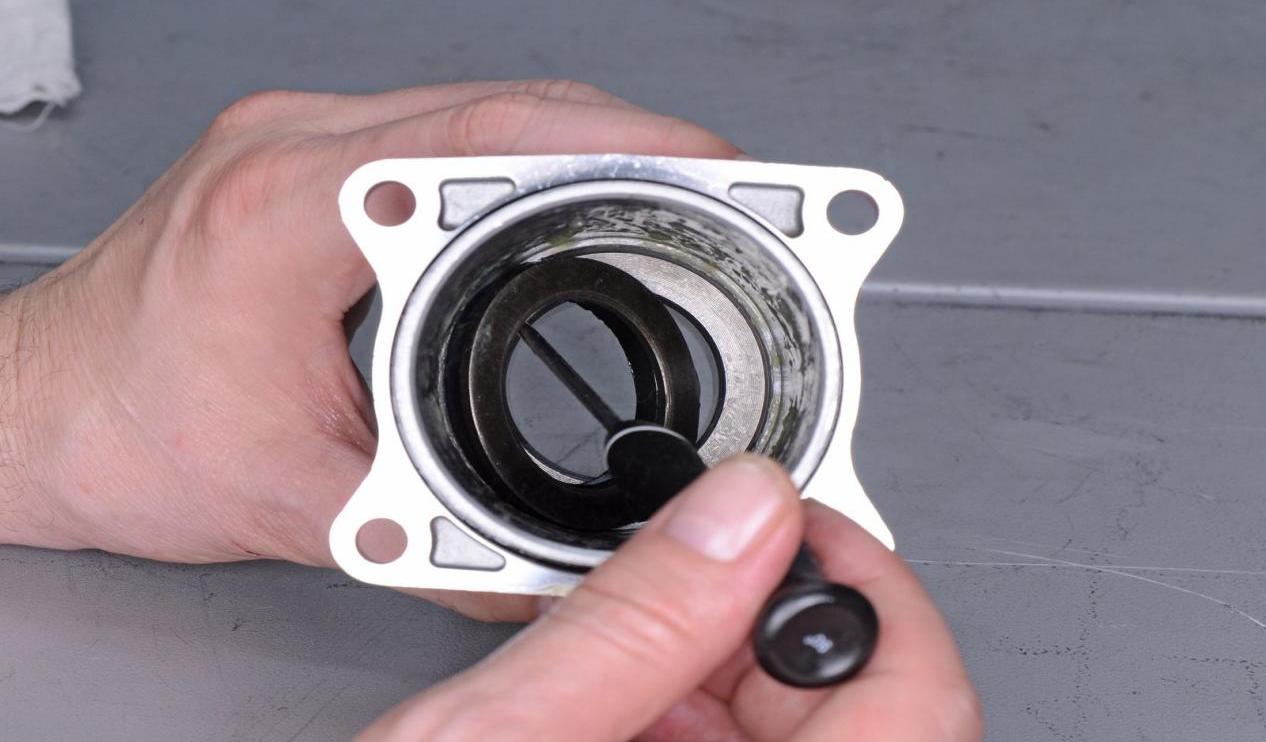
How to maintain a demolition hammer

  • Carbon Brushes: These are the small blocks inside the motor that conduct electricity. If the tool starts sparking or losing power, check the brushes. Most pros replace them every 50–100 hours of heavy use.
  • Chisel Sharpness: A dull bit forces the machine to work harder. Re-sharpen or replace bits regularly to ensure the tool’s energy goes into the concrete, not back into the motor.

4. Smart Operation (Preventative Maintenance)

  • Avoid "Dry Firing": Never pull the trigger unless the bit is pressed firmly against the work surface. Dry firing (hammering air) puts massive stress on the internal pistons and O-rings.
  • Don't Lean Too Hard: Let the tool do the work. If you push too hard, you’re just creating heat and wearing out the internal hammer mechanism faster.
  • Watch the Heat: If the gear housing becomes too hot to touch, stop and let it idle or cool down. Overheating thins the grease and can ruin seals.

5. Storage

  • Store it Upright: If possible, store the hammer vertically. This prevents oil or grease from leaking into the motor housing or pooling on one side of the seals.
  • Dry Environment: Keep it in its case in a dry spot to prevent rust on the internal piston and the chuck.

Related News

Hot Products

Cookie Settings

This website uses cookies to ensure you get the best experience on our industrial platform and to help us improve our services.