

Stay updated with our factory’s latest R&D innovations, manufacturing updates, and maintenance guides.
Aug. 26, 2026
Choosing the right drill bit is important for getting a clean hole and protecting your power tool.
Different materials require different drill bits. A bit designed for metal may not work well on concrete, while a concrete bit may damage glass or ceramic tile.
Power drills can generally be divided into three common types:
Each tool works with different types of drill bits.
In this guide, we will explain the differences between common drill bits and how to choose the right one for different materials.
Standard electric drills are mainly used for drilling wood, metal, plastic, and other relatively soft materials.
The most common bit for an electric drill is the twist drill bit.
Twist drill bits usually have a spiral shape that helps remove chips from the hole during drilling.
For metal drilling, high-speed steel (HSS) drill bits are commonly used. Some high-performance bits use HSS-Co, which contains cobalt and offers better heat resistance.
Common sizes include:
The correct size depends on the required hole diameter and the material being drilled.
Electric drill bits are commonly used for:
When drilling metal, the correct speed and cutting fluid are important. A suitable cutting speed can reduce heat and extend the life of the drill bit.
Hammer drills combine rotation with a light hammering action.
They are commonly used for drilling into brick, masonry, concrete, and other building materials.
Hammer drill bits usually have a carbide tip designed for masonry materials.
Compared with standard metal drill bits, hammer drill bits are designed to withstand repeated impact during drilling.
Common sizes include:
Hammer drill bits are suitable for smaller and medium-sized holes in masonry and concrete.
However, when drilling large or deep holes in hard concrete, a rotary hammer is usually a better choice.
A rotary hammer is more powerful than a standard hammer drill.
It uses a stronger hammering mechanism and is designed for hard materials such as concrete, reinforced concrete, brick, and stone.
Rotary hammer bits are usually different from standard drill bits because they use special shank systems.
The most common types are:
SDS-Plus is widely used on small and medium rotary hammers.
SDS-Plus bits are commonly used for:
They are available in different lengths and diameters.
A smaller SDS-Plus bit can be used for small holes, while larger bits can be used for bigger holes, as long as the drill and bit are within the manufacturer’s recommended range.
SDS-Max bits are designed for larger and more powerful rotary hammers.
They are commonly used for:
SDS-Max bits are larger and stronger than SDS-Plus bits.
The bit size should always match the capacity of the rotary hammer.
The easiest way to understand the difference is to look at the material and the tool.
|
Drill Bit Type |
Main Material |
Typical Tool |
Main Use |
|
Twist Drill Bit |
Metal, wood, plastic |
Electric drill |
General drilling |
|
Hammer Drill Bit |
Brick, masonry, concrete |
Hammer drill |
Small and medium holes |
|
SDS-Plus Bit |
Concrete, brick, stone |
Rotary hammer |
Construction drilling |
|
SDS-Max Bit |
Concrete, reinforced concrete, stone |
Heavy rotary hammer |
Large and deep holes |
The most important rule is simple:
Choose the drill bit according to both the material and the power tool.
For steel, cast iron, aluminum, and other metals, use a metal drill bit.
HSS drill bits are a common choice for general metal drilling. HSS-Co bits can be used when higher heat resistance is needed.
Use an appropriate drilling speed and cutting fluid when required.
Wood drill bits are designed to remove wood chips efficiently.
Twist drill bits can also be used for some wood applications, but specialized wood bits can provide cleaner and more efficient results.
For concrete and brick, use a masonry or hammer drill bit.
For small holes, a hammer drill may be enough.
For harder concrete, deeper holes, or frequent construction work, a rotary hammer with an SDS-Plus or SDS-Max bit is usually more suitable.
Tile and glass require special drill bits.
These materials are hard but can crack easily. Use a suitable tile or glass drill bit and drill at a low speed.
For many tile applications, do not use hammer action, unless the bit and tool manufacturer specifically allows it.
The correct bit size depends on the rotary hammer and the application.
For example, an SDS-Plus rotary hammer may be designed for smaller and medium drilling applications, while an SDS-Max rotary hammer is designed for larger holes and heavier work.
Do not simply choose the largest bit that can physically fit the tool.
Always check the manufacturer’s recommended drilling range.
Using a bit that is too large for the tool can increase load, heat, vibration, and wear, and may reduce tool life.
The working material and drilling frequency should also be considered.
For example, a contractor who frequently drills large holes in reinforced concrete may need a more powerful rotary hammer than a user who only occasionally drills small holes in brick.
There are many types of drill bits for different applications.
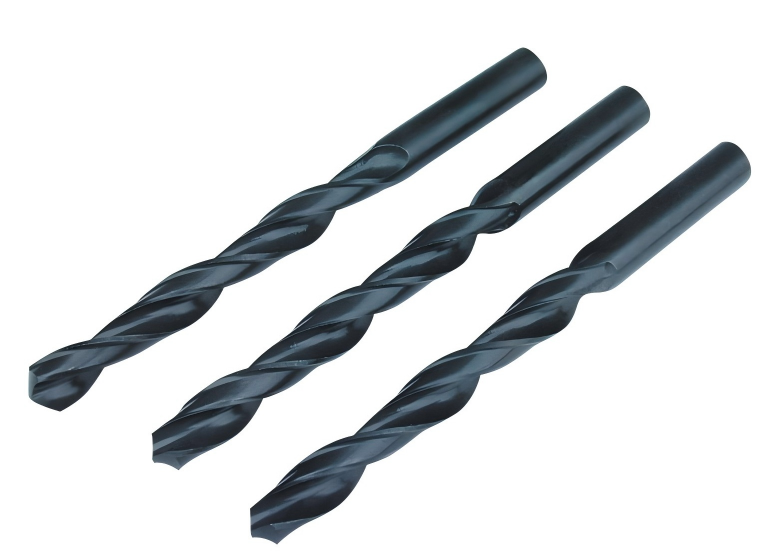
The twist drill is the most widely used tool for hole machining. It typically ranges in diameter from 0.25 to 80 millimeters and resembles a twisted rope.
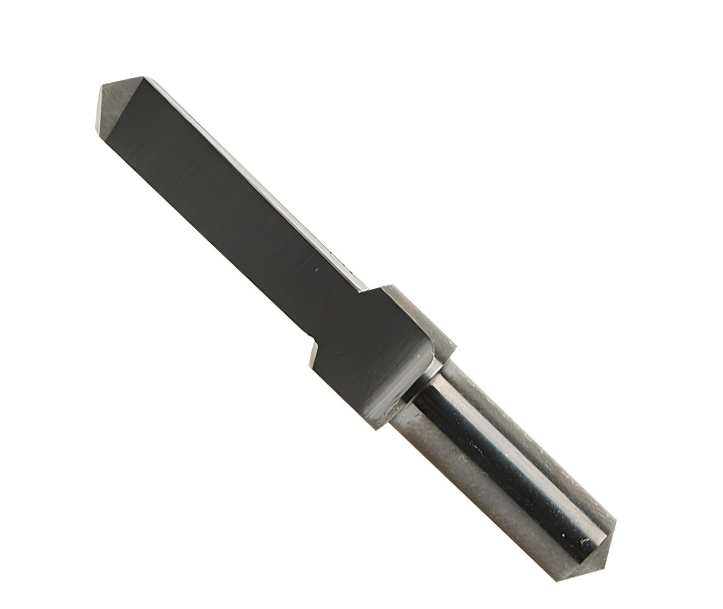
The cutting edge of a flat drill is spatula-shaped, and it comes in two types: solid and modular. The solid type is primarily used for drilling micro-holes with diameters ranging from 0.03 to 0.5 millimeters. The inserts on modular flat drills are replaceable and can be equipped with internal cooling; they are primarily used for drilling large holes with diameters ranging from 25 to 500 millimeters.
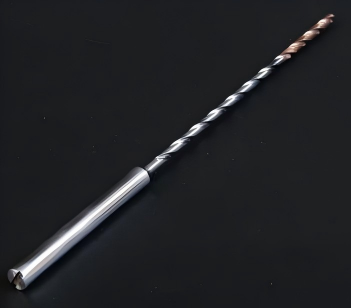
Deep-hole drills generally refer to tools used for machining holes where the depth-to-diameter ratio exceeds 6; they are commonly used for deep-hole machining.
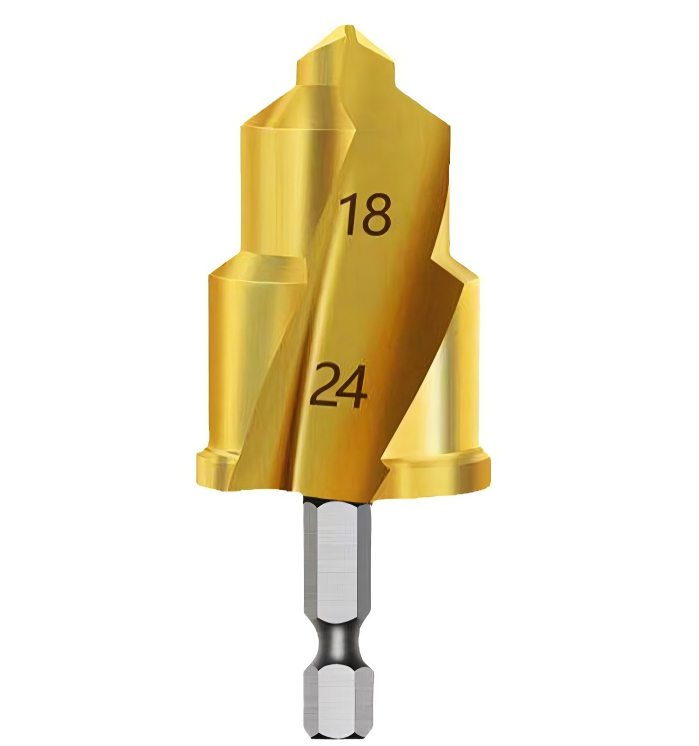
Reamers have 3 to 4 cutting teeth and offer greater rigidity than twist drills. They are used to enlarge existing holes and improve machining accuracy and surface finish.
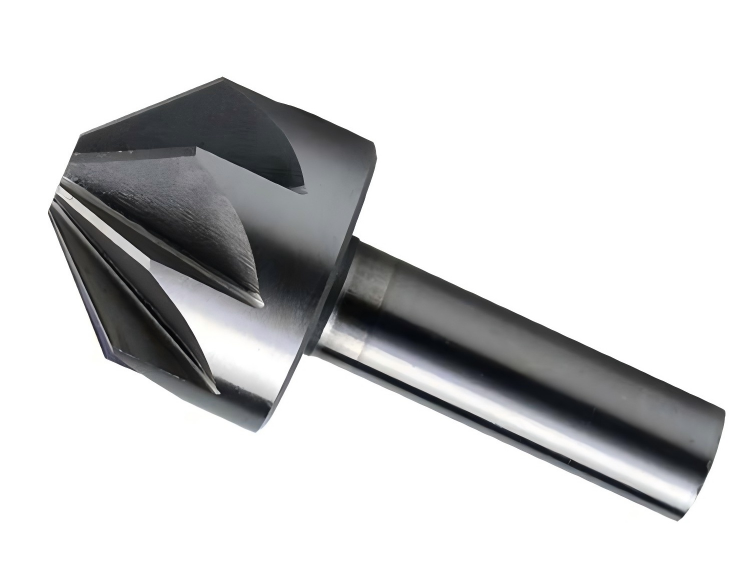
Countersink drills have a larger number of cutting teeth and use a forming method to shape the end of the hole into the desired profile. They are used to machine countersunk holes for various countersunk screws or to flush the outer end face of a hole.
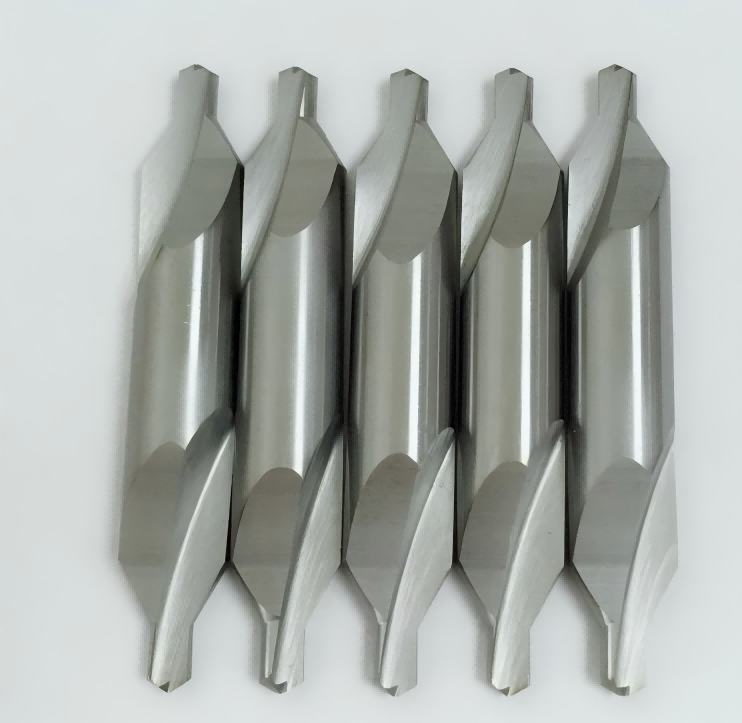
Center drills are used to drill center holes in shaft-type workpieces. They are essentially a combination of a twist drill with a very small helix angle and a countersink, and are therefore also known as composite center drills.
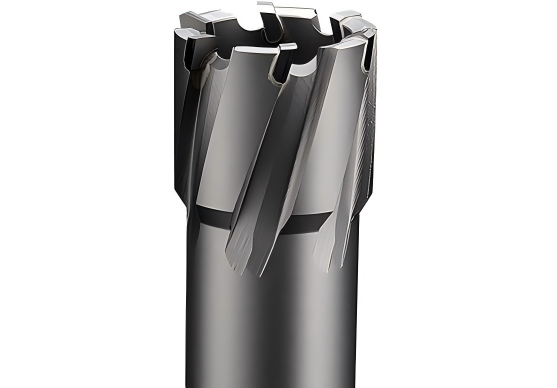
Hollow drills have a hollow shank and are primarily used for core drilling.
Choosing the right drill bit can improve drilling performance, hole quality, and tool life.
For metal, wood, and plastic, standard electric drill bits such as twist drill bits are usually suitable.
For brick and masonry, hammer drill bits are a common choice.
For concrete, reinforced concrete, and stone, rotary hammer bits such as SDS-Plus and SDS-Max are better suited for heavy-duty drilling.
Before starting a job, always check three things:
The material → The drill type → The drill bit.
Matching these three correctly will help you work more efficiently and safely.
Can I use a normal drill bit in a rotary hammer?
It depends on the rotary hammer and chuck system. SDS-Plus and SDS-Max rotary hammers require compatible bits or an appropriate chuck adapter.
What drill bit is best for concrete?
For small holes, a hammer drill bit may be suitable. For harder concrete and larger holes, an SDS-Plus or SDS-Max rotary hammer bit is usually a better choice.
What drill bit should I use for metal?
HSS twist drill bits are commonly used for drilling steel, aluminum, and other metals.
Can I use a hammer drill bit for metal?
No. Hammer drill bits are mainly designed for masonry and concrete. Use a suitable metal drill bit for metal applications.
What is the difference between SDS-Plus and SDS-Max?
SDS-Plus is mainly used with smaller and medium rotary hammers. SDS-Max is designed for larger, more powerful rotary hammers and heavier drilling applications.
Related News


